
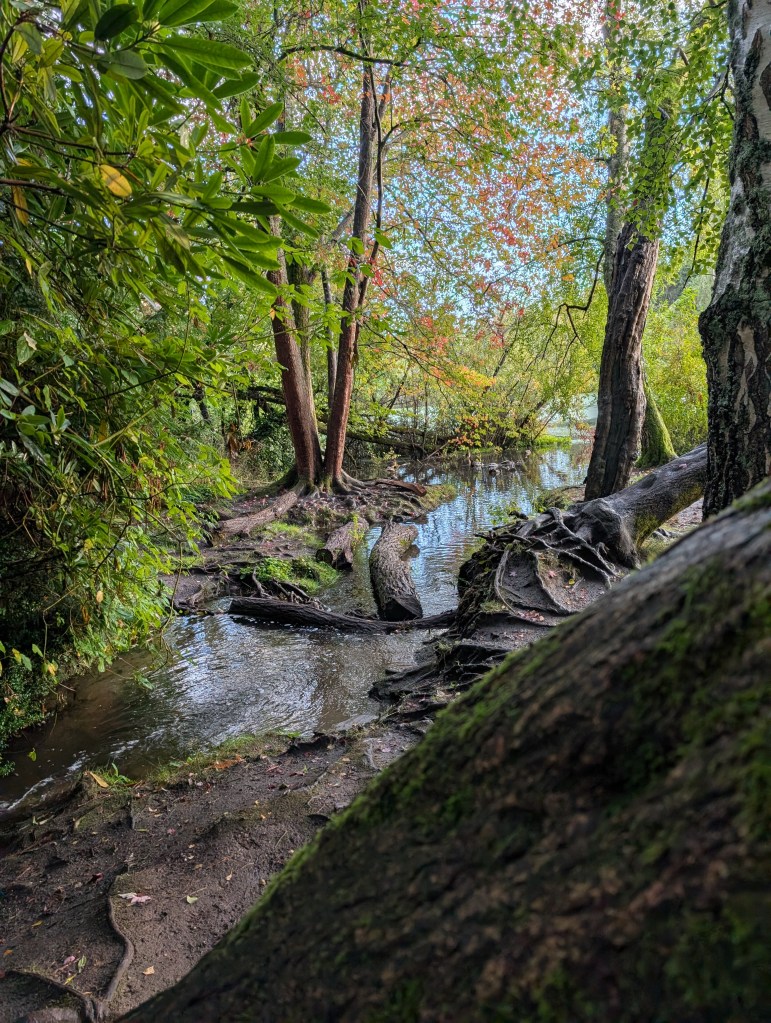
Imagine an outdoor classroom that is tailored to amazing, neurodivergent niños (children). Below, I will detail some ways that we can make this happen.
- Sensory strategies
Kinesthetic seating allows children to be in motion while they learn. A wobble chair can be a good ally. For a more natural approach, you can even use logs or rounded rocas (rocks) for children to sit on.
- Breaks from Movement
Give children the opportunity to take a respiro (breath). Some children might want to be alone and go to another area of the classroom for quiet time instead of going on a hike or nature walk. It is okay to let them refresh their minds. You can also encourage organic opportunities for more physically demanding work, like assigning a class job or carrying water bottles and other materials.
- Noise-canceling headphones
Some children might have a harder time focusing with too many stimuli. Providing headphones for a busy environment can help a child remain engaged.
- Fidgets to meet sensory needs
I love fidgets! These tools can help self-regulate and also bring you back to the present. Try to have them available and offer them to children who might need extra support focusing.
- Behavior Support
Visual images with step-by-step instructions, like how to put their own chaqueta (jacket) or muddy buddy, are useful so children have an easier time with transitions. Consider explaining any change in the schedule ahead of time so children will know what to expect.
- Comprehension
Some children might need support with problem-solving tasks. At the same time, they may want alone time. Have in-class manipulatives to complete independent, personal tasks. Manipulatives also support children’s understanding of math concepts.
- Executive Functioning
Break down any activity or instruction into smaller tasks. Scaffolding a task properly can help any child succeed. For example, if you are doing a project outdoors, give your child smaller, more manageable tasks to start with, like picking up sticks or sorting hojas (leaves) by color.
- Social-Emotional Support
Some children might find making friends difficult or might feel a little isolated at times. Assigning roles for each child within a group can help each child find purpose and feel included. For example, you can have a “weather child”, the one that we will ask “How is the weather today?” or the lunchtime child, the one that helps announce when lunchtime is starting and ending! This encourages children to communicate with each other and have a special role in the group. At Verde Wildwood Forest School, we all have something special to contribute.
With enough creativity and effort, we can transform our classroom into a magical outdoor area where every child thrives and feels valued.
“It’s important to expose those in the spectrum to the world “
-Temple Grandin
 Learning outdoors - growing wildly
Leave a comment